
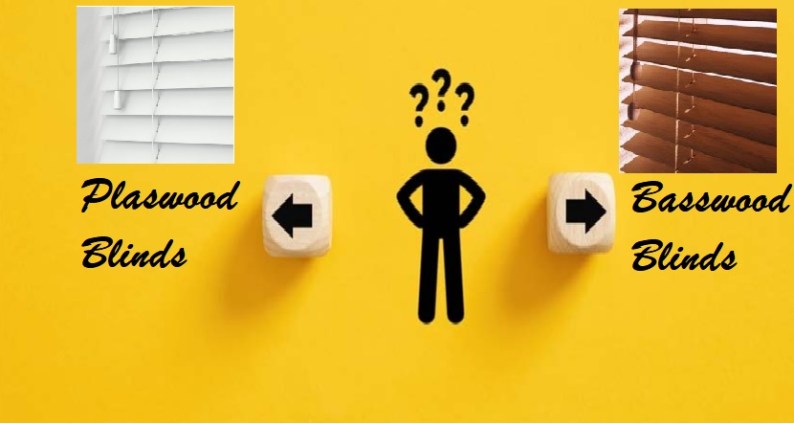
When it comes to elevating your home’s interior, window treatments are the “silent heroes” of design. But if you’ve been shopping for Venetian blinds or plantation shutters, you’ve likely hit a fork in the road: Basswood or Plaswood(also called Fauxwood)?
At a glance, they look almost identical. However, the choice between real timber and high-tech composite can affect everything from your budget to how your blinds handle a steamy bathroom. Here is the ultimate 2026 guide to choosing the right material for your lifestyle.
1. Basswood: The Gold Standard of Natural Elegance
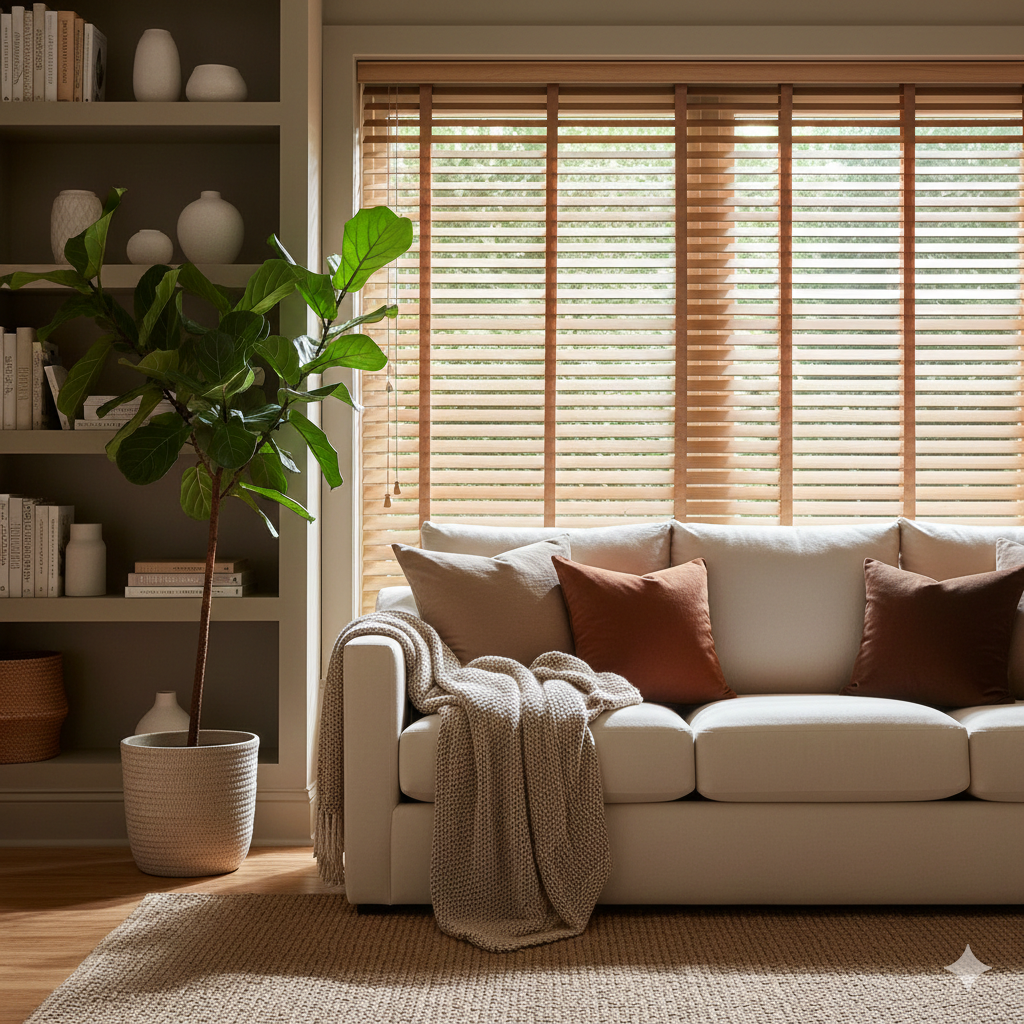
Basswood is a premium hardwood known for its tight grain and lightweight strength. It has been the go-to choice for high-end shutters and blinds for decades.
The Pros:
- Feather-Light & Strong: Basswood is significantly lighter than synthetic alternatives. This means less strain on hinges and cords, allowing for wider blinds without the risk of “sagging.”
- Superior Insulation: As a natural porous material, wood is an excellent thermal insulator. It helps keep your rooms cooler in summer and holds the warmth in during winter.
- Aesthetic Versatility: Basswood can be stained to show off its natural grain or painted for a silky-smooth, matte finish that plastic simply can’t replicate.
- Eco-Friendly: Our Basswood is sourced from sustainable forests, making it a renewable and biodegradable choice.
The Cons:
- Moisture Sensitivity: Wood and water aren’t friends. In high-humidity areas like bathrooms or sculleries, Basswood can warp or swell over time.
- Price Point: Real timber carries a premium price tag reflecting its quality and craftsmanship.
Best For: Living rooms, bedrooms, and home offices where style and natural warmth are the priorities.
2. Plaswood: The Durable, Modern Workhorse

Plaswood (sometimes called Faux Wood or Eco-Wood) is a technological breakthrough. It’s a composite material made from a blend of plastic and wood particles, designed to mimic the look of timber while solving its weaknesses.
The Pros:
- 100% Waterproof: Plaswood is impervious to moisture. You can practically spray it down with a hose. It won’t warp, crack, or peel in steam-filled rooms.
- Tough as Nails: It is highly resistant to scratches and dents, making it the “parent-approved” choice for homes with kids and pets.
- UV Resistant: Modern Plaswood is engineered to withstand harsh sunlight without fading or becoming brittle, which is vital for north-facing windows.
- Budget-Friendly: You get the look of luxury timber at a much more accessible price point.
The Cons:
- Heavier Weight: Plaswood is denser than Basswood. On very large windows, this can make the blinds heavier to lift.
- Heat Limits: While it handles sunlight well, it shouldn’t be used in windows that exceed 55°C (like some glass-enclosed balconies), as the material can soften.
Best For: Kitchens, bathrooms, coastal homes, and high-traffic family areas.
| Feature | Basswood (Real Wood) | Plaswood (Composite) |
| Durability | High (Long-lasting) | Extreme (Waterproof) |
| Weight | Lightweight | Heavy |
| Best Room | Lounge / Bedroom | Bathroom / Kitchen |
| Insulation | Excellent | Good |
| Customization | Paint or Stain | Paint only |
| Price | Higher | Lower |
The Verdict: Which should you choose?
If you want the authentic, organic feel of real timber and you’re furnishing a “dry” room like a master suite or a formal lounge, Basswood is an investment you’ll never regret.
However, if you need a low-maintenance, “bulletproof” solution for a busy kitchen or a humid bathroom, Plaswood provides the same visual appeal with half the worry and a lower price tag.
- By: sensationalgm" >sensationalgm
- Tags: basswood blinds, blinds, plaswood blinds, window treatment
- Category: Uncategorized
- 0 comment

Leave a Reply