Which One Is Right for Your Space?

Choosing the right flooring is one of the most important decisions when designing or renovating a home.
Two of the most popular options on the market today—laminate and vinyl flooring—offer style, durability, and affordability.
While they may look similar at first glance, they are built very differently and perform best in different environments.
This guide breaks down everything you need to know about laminate and vinyl flooring, including how they’re made, their durability, installation methods, benefits,
and which option makes the most sense for your space.

What is Laminate Flooring?
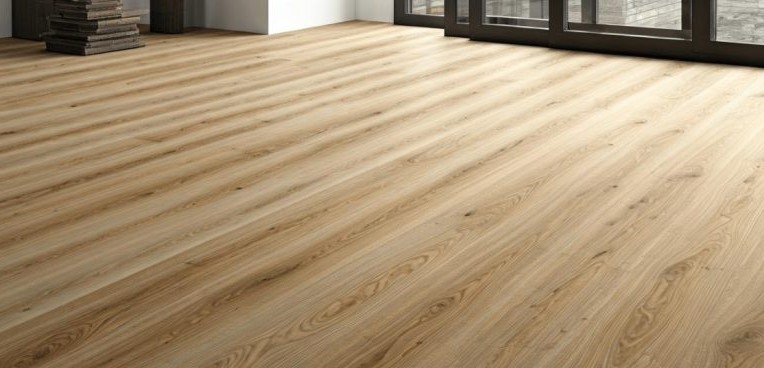
Laminate flooring is a multi-layer synthetic flooring product designed to replicate the appearance of natural hardwood, stone, or tile. It is primarily constructed using compressed wood materials, topped with a high-resolution photographic layer that delivers a realistic look
Laminate flooring is composed of four main layers, each serving a specific purpose:
1. Wear Layer
The top layer is a transparent, protective coating that resists scratches, stains, and fading. This layer determines the flooring’s AC rating,
 which indicates its durability for residential or commercial use
2. Design Layer
This layer features a high-definition photographic image that gives laminate its realistic wood or stone appearance.
3. Core Layer
Made from High-Density Fiberboard (HDF), this layer provides structural strength, impact resistance, and stability.
4. Backing Layer
The bottom layer adds moisture resistance from below and helps prevent warping or movement over time.
Durability of Laminate Flooring

Durability of Laminate Flooring
Laminate flooring is known for its excellent scratch and wear resistance, making it ideal for moderate to high foot traffic areas. It performs well in living rooms, bedrooms, hallways, and offices.
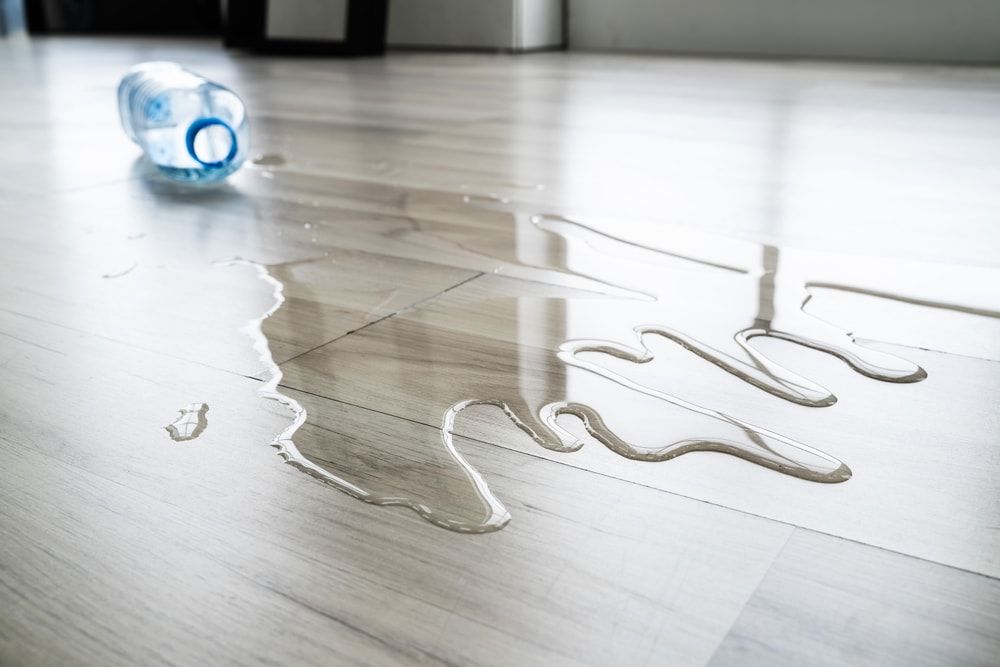
However, laminate is not waterproof. Prolonged exposure to moisture can cause the core layer to swell, which may lead to permanent damage.
While many modern laminates are moisture-resistant, they are still best suited for dry indoor spaces.

Benefits of Laminate Flooring
Realistic wood appearance at a lower cost
Scratch and dent resistant surface
Easy to clean and maintain
Fade resistant under sunlight
Quick and simple click-lock installation
Budget-friendly alternative to hardwood
What is Vinyl Flooring?
Vinyl flooring is a fully synthetic flooring material made primarily from PVC (polyvinyl chloride). It is engineered to be flexible,
durable, and completely waterproof, making it a top choice for both residential and commercial spaces.
Vinyl flooring is available in several formats, including Luxury Vinyl Plank (LVP) and Luxury Vinyl Tile (LVT).
Vinyl Flooring Layers and Construction
High-quality vinyl flooring typically consists of four to five layers, depending on the product:

1. Wear Layer
A clear, protective top layer that guards against scratches, stains, and scuffs. Wear layers are measured in mils, with thicker layers offering greater durability.
2. Design Layer
This printed layer creates the realistic wood, tile, or stone appearance of vinyl flooring.
3. Core Layer
Often made from SPC (Stone Plastic Composite) or WPC (Wood Plastic Composite), the core provides rigidity, impact resistance, and full waterproof protection.
4. Backing Layer
Adds comfort underfoot and improves sound absorption. Some products include cork or foam backing.
5. Attached Underlayment (Optional)
Many vinyl planks come with built-in underlayment, reducing noise and simplifying installation.
Durability of Vinyl Flooring
Vinyl flooring is one of the most durable flooring options available. It is completely waterproof, highly resistant to dents, scratches and stains, and capable of handling heavy foot traffic.
Because vinyl does not absorb moisture, it performs exceptionally well in kitchens, bathrooms, laundry rooms, basements, and commercial spaces. It is also more forgiving underfoot and quieter than laminate.

Benefits of Vinyl Flooring
100% waterproof construction
Extremely durable and long-lasting
Soft, comfortable, and quiet underfoot
Ideal for moisture-prone areas
Low maintenance and easy to clean
Excellent choice for homes with pets and children
Installation: Laminate vs Vinyl Flooring

Laminate Installation
Laminate flooring typically uses a floating click-lock system. It requires a clean, dry, and level subfloor and must include expansion gaps to allow for natural movement. A moisture barrier is recommended when installing over concrete.

Vinyl Installation
Vinyl flooring offers more installation options, including click-lock, glue-down, and loose-lay systems. It can be installed over various subfloors and is far more forgiving in areas with humidity or temperature changes.
Laminate vs Vinyl: Key Differences at a Glance

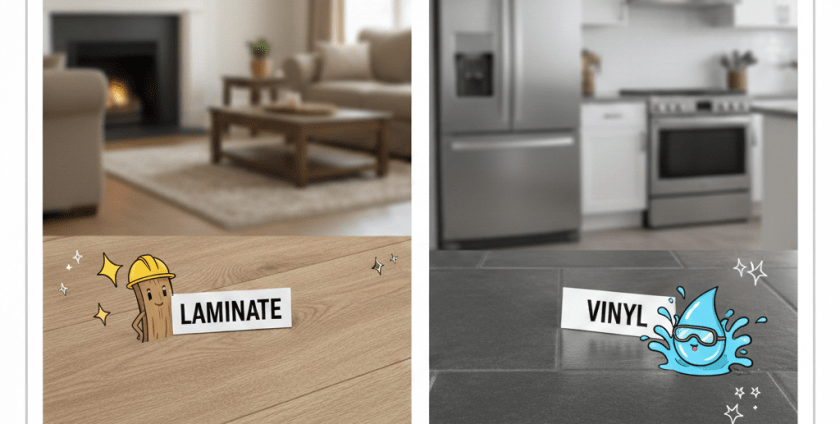
Water Resistance:
Laminate is moisture-resistant; vinyl is fully waterproof.
Durability:
Laminate resists scratches well but is sensitive to water; vinyl excels in both durability and moisture protection.
Comfort: Vinyl is softer and quieter; laminate feels firmer underfoot.
Best Use Areas:Laminate works best in dry living spaces; vinyl is suitable for any room.

Which Flooring Should You Choose?
Choose laminate flooring if you want a realistic wood look at a lower cost and plan to install it in a dry, low-moisture environment.
Choose vinyl flooring if durability, waterproof performance, and comfort are your top priorities—especially in high-traffic or moisture-prone
areas.

The Final Thoughts
Both laminate and vinyl flooring deliver style, performance, and value. The best choice ultimately depends on where the flooring will be installed and how it will be used. Laminate offers outstanding aesthetics for dry spaces, while vinyl provides unmatched durability and waterproof protection across the entire home.



Leave a Reply